[Disciplines]
Visual Development Disciplines
Four disciplines, each defined by what it hands to the next person in your pipeline: a modeller, a level artist, a marketing lead.
Character & creature concept art
From silhouette thumbnails to proportion-gridded A-pose or T-pose turnarounds, expression sheets and material callouts. Built so a character artist can block the mesh without guessing.
Hands off to: character modeller, rigger
Character & creatureEnvironment concept art & worldbuilding
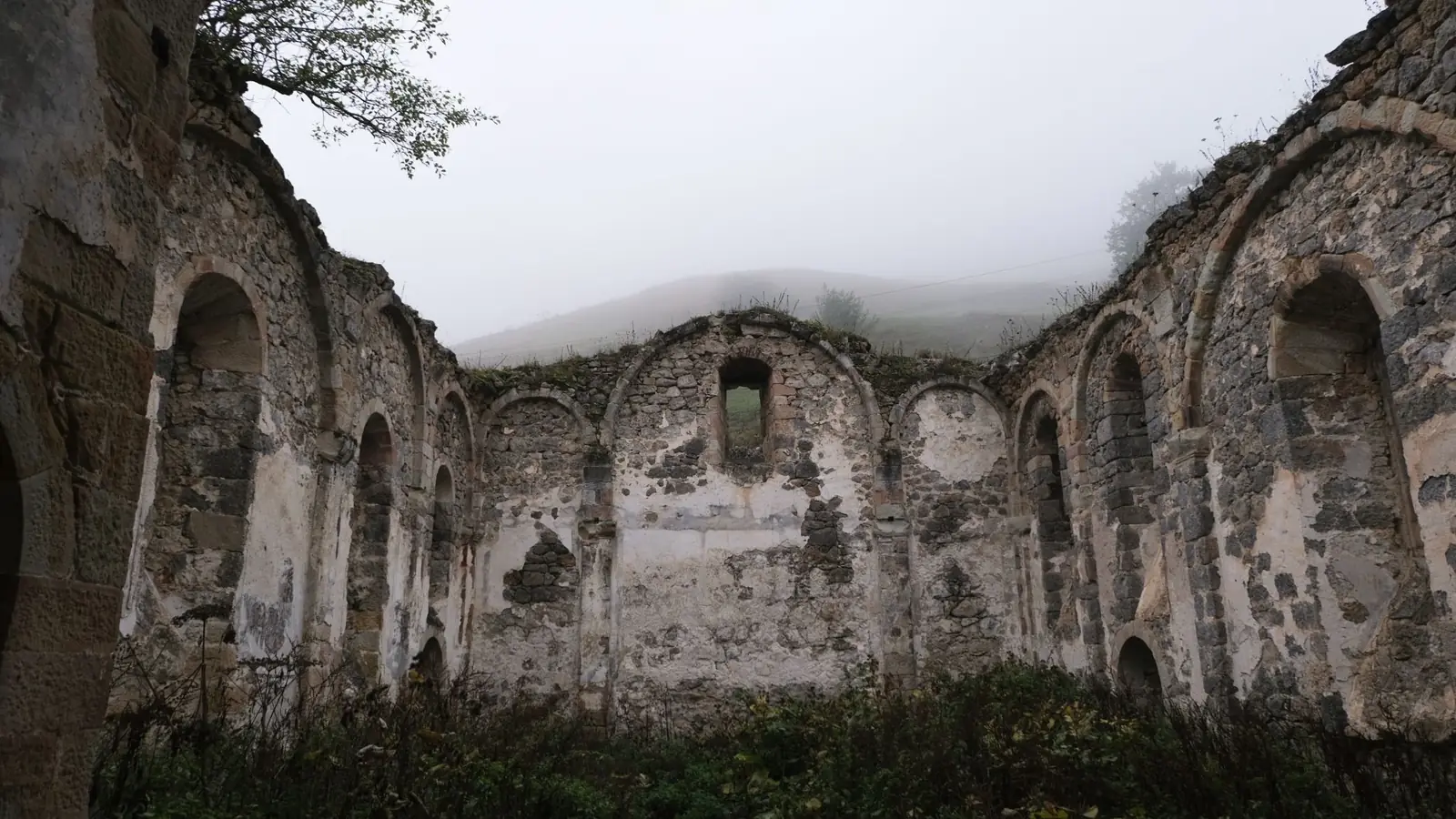
Biome exploration, architectural language, lighting and value keys, and paintovers on your own greybox so the concept matches real camera and scale.
Hands off to: environment artist, level designer, lighter
Environment & worldbuildingProduction orthographics & callout sheets
Flat-projection views of weapons, vehicles, props and modular kits, with cross-sections, hinge and animation notes, and material swatches.
Hands off to: prop and hard-surface artist, tech artist
Orthographics & calloutsKey art, marketing illustration & capsules
Pitch key art, Steam capsules and launch art painted as a layered wide master and recomposed for every storefront crop, tested at 120 px.
Hands off to: marketing, publisher, store page
Key art & capsules[Into the engine]
How concepts flow into UE5, Unity and 3D
Concept art earns its cost when it shortens the 3D stage. Before the first sketch we ask for the things that decide whether a design can be built at all:
- Engine and camera. A third-person camera in Unreal Engine 5 at shoulder height needs different readability than a top-down Unity mobile game.
- Scale unit and reference. Every turnaround and environment key carries a human-scale reference in your unit (centimetres in UE5, metres in Unity or Blender).
- Polycount and texel density targets. They decide how much surface detail is worth painting, and where a trim sheet beats a unique texture.
- Greybox access. For environments we paint over screenshots or FBX blockouts from your level, so concept and level layout never disagree.
The result is delivered to the naming convention your outsourcing manager uses, as layered PSD plus flattened PNG, with callouts exported as separate sheets.
Turnaround views share one proportion grid so the modeller can drop them straight into image planes.
[Choosing depth]
Three depths, priced differently
Each discipline can stop at any of three depths. Paying for 3D-ready callouts on a pitch you may never build is waste; skipping them on production assets is more expensive.
| Depth | What you receive | Use it for | Cost factor |
|---|---|---|---|
| Exploration | Thumbnails, silhouettes, rough colour passes, mood boards | Finding a direction, pitch internal reviews | 0.55× |
| Design lock | Polished front or mood concept with material notes | Pitch decks, art bible, publisher reviews | 1.0× |
| 3D-ready package | Orthographic turnarounds, callout sheets, layered PSD | Assets going to modelling this milestone | 1.55× |